Author: admin

  • Beauty Sleep Skincare Routine for Healthy, Glowing Skin Every Night

    Introduction

    A consistent Beauty Sleep Skincare Routine is one of the simplest and most effective ways to achieve healthy, glowing skin. While quality skincare products are important, your nighttime routine plays an equally significant role because your skin naturally repairs itself while you sleep. During the night, skin cells regenerate, collagen production increases, and moisture levels recover from daily environmental stress.

    Many people spend considerable time on their morning skincare but overlook the importance of evening care. Dirt, makeup, pollution, sunscreen, and excess oil accumulate throughout the day and should always be removed before bed. Combining proper cleansing with nourishing skincare products allows your skin to maximize its overnight healing process.

    Whether your skin is dry, oily, combination, or sensitive, following a personalized Beauty Sleep Skincare Routine helps reduce dullness, improve hydration, minimize fine lines, and create a naturally radiant complexion. With consistency and healthy sleep habits, your skin will reward you with a fresh appearance every morning.

    Why Nighttime Skincare Matters

    Your skin follows a natural biological clock. During daylight hours, it focuses on protecting itself from environmental damage caused by sunlight, pollution, and harsh weather conditions. At night, however, the skin shifts its energy toward repair and renewal.

    Blood circulation increases while sleeping, allowing nutrients and oxygen to reach skin cells more efficiently. Cell turnover accelerates, helping replace damaged skin with fresh, healthy cells. This makes nighttime the ideal opportunity to apply hydrating creams, nourishing serums, and restorative treatments.

    A well-planned Beauty Sleep Skincare Routine supports these natural repair processes by delivering ingredients exactly when your skin needs them most. Hydrating products reduce moisture loss, antioxidants fight free radicals, and nourishing ingredients strengthen the skin barrier for long-term health.

    Skipping nighttime skincare may lead to clogged pores, dehydration, uneven texture, and premature signs of aging over time.

    Step 1: Remove Makeup Thoroughly

    The first and most essential step of any nighttime routine is removing all traces of makeup. Sleeping with foundation, mascara, concealer, or lipstick blocks pores and prevents your skin from breathing properly.

    Use a gentle cleansing balm, micellar water, or makeup remover to dissolve cosmetics without irritating your skin. Waterproof makeup may require an oil-based cleanser for complete removal.

    Even if you don’t wear makeup, sunscreen, sweat, and airborne pollutants accumulate throughout the day. Removing these impurities prepares your skin for the next skincare products to absorb effectively.

    Take your time around the eyes and hairline where residue often remains unnoticed. Gentle cleansing preserves your skin barrier while preventing unnecessary irritation.

    Step 2: Cleanse Your Skin Properly

    After removing makeup, wash your face with a cleanser suitable for your skin type. Cleansing eliminates excess oil, dirt, bacteria, and leftover impurities that can contribute to acne and dullness.

    Dry skin benefits from creamy, hydrating cleansers, while oily skin responds well to lightweight gel formulas. Sensitive skin usually prefers fragrance-free cleansers with soothing ingredients.

    Massage the cleanser onto damp skin using gentle circular motions for about one minute before rinsing thoroughly with lukewarm water. Avoid hot water, which can strip away natural oils and leave your skin feeling tight.

    Clean skin creates the perfect foundation for the rest of your nighttime skincare routine.

    Step 3: Apply a Hydrating Toner

    A toner helps restore your skin’s natural pH after cleansing while providing an additional layer of hydration. Modern toners are much gentler than traditional alcohol-based formulas and often include soothing botanical extracts, hyaluronic acid, or glycerin.

    Apply toner using clean hands or a soft cotton pad. Instead of rubbing aggressively, gently pat it into the skin until absorbed.

    Hydrated skin absorbs serums and moisturizers more effectively, making toner an excellent addition to your evening routine.

    Including this step in your Beauty Sleep Skincare Routine helps maintain skin balance and keeps your complexion feeling comfortable throughout the night.

    Step 4: Use a Nourishing Serum

    Serums contain concentrated active ingredients that target specific skincare concerns such as dehydration, pigmentation, fine lines, or uneven texture.

    Hydrating serums containing hyaluronic acid replenish moisture, while peptides help support collagen production. Niacinamide helps balance oil production and improve skin texture. Vitamin-rich antioxidant serums also support overnight skin recovery.

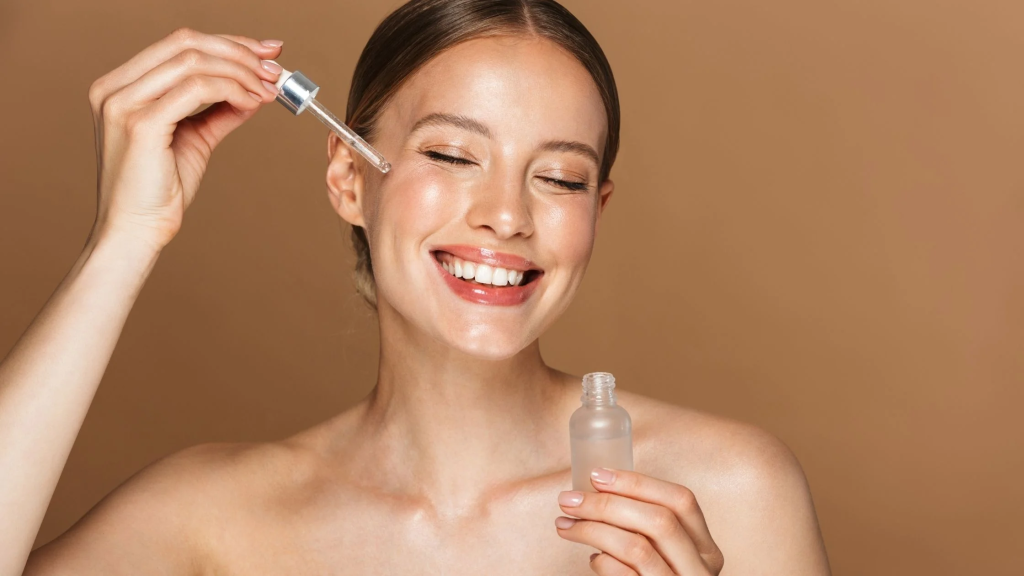
    Apply only a few drops across your face and gently press the serum into your skin. Allow it to absorb before applying additional products.

    Using targeted treatments consistently often produces noticeable improvements after several weeks of regular use.

    Step 5: Moisturize Generously

    Moisturizer locks hydration into your skin and strengthens its protective barrier overnight. Regardless of skin type, everyone benefits from using a suitable nighttime moisturizer.

    Dry skin usually requires richer creams containing ceramides and nourishing oils, while oily skin often performs well with lightweight gel moisturizers.

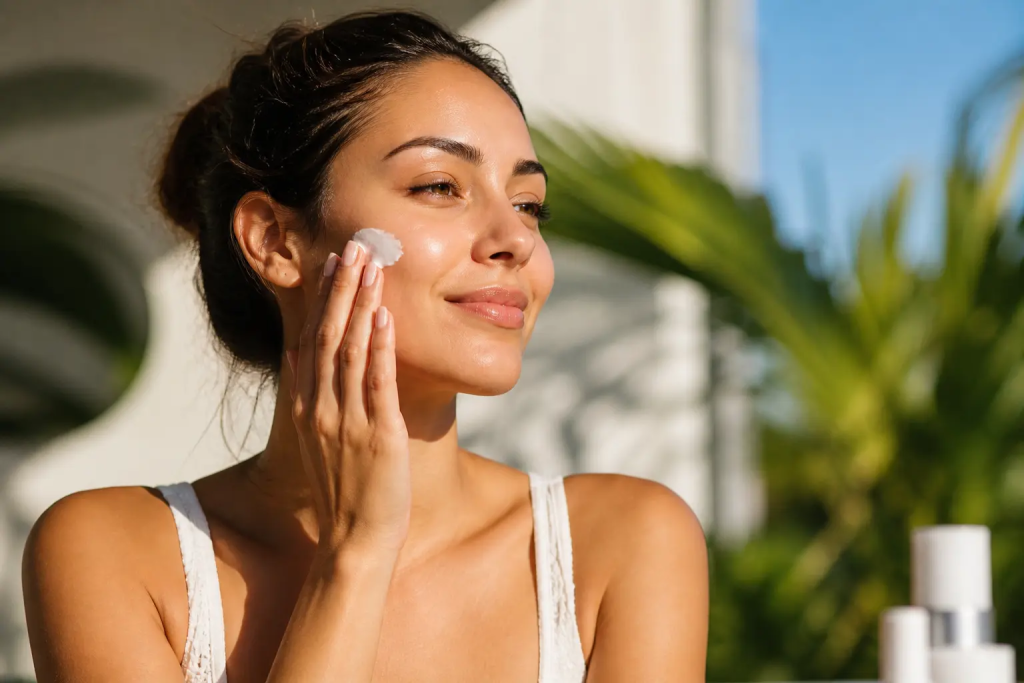
    Massage moisturizer over your face and neck using upward motions. Don’t forget areas like your jawline and around your nose where dryness often develops.

    A properly hydrated skin barrier appears smoother, softer, and healthier by morning while also becoming more resilient against daily environmental damage.

    Don’t Forget Eye and Lip Care

    The skin around your eyes is thinner than the rest of your face, making it more vulnerable to dryness and fine lines. Applying a lightweight eye cream can help maintain hydration overnight.

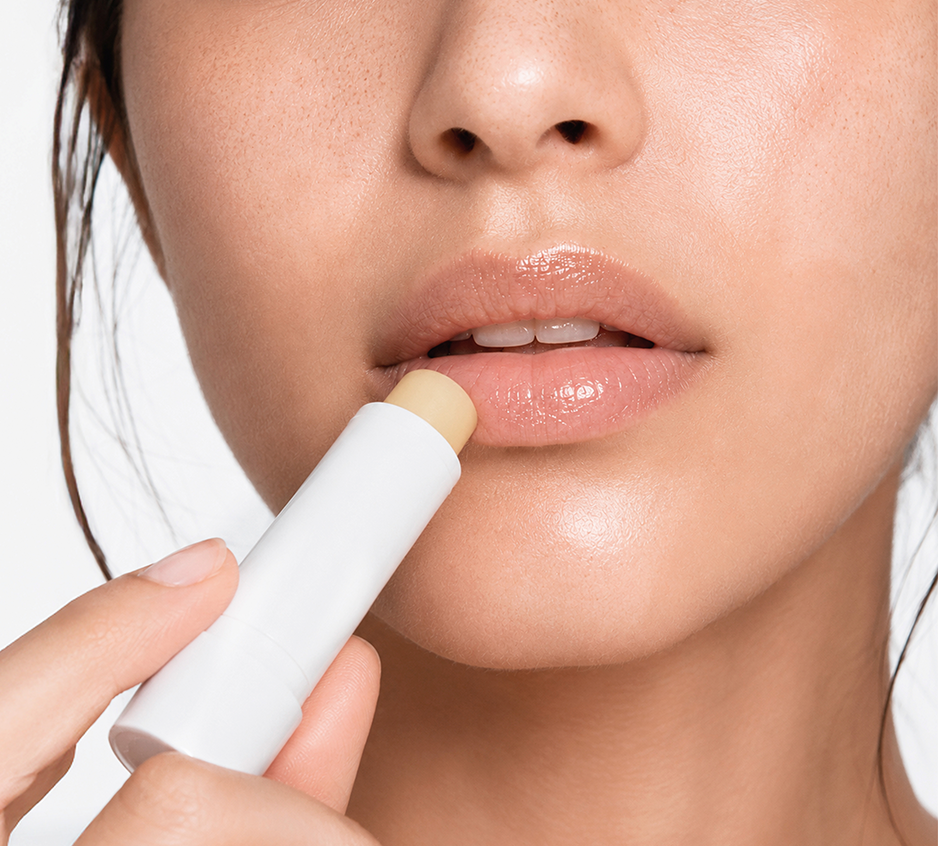
    Similarly, lips lose moisture quickly during sleep. Applying a nourishing lip balm before bedtime prevents dryness and cracking.

    Gentle care for these delicate areas contributes to a more refreshed appearance every morning and complements the rest of your skincare routine.

    Healthy Sleep Habits That Improve Skin

    Skincare products work best when combined with healthy lifestyle habits. Adults generally benefit from seven to nine hours of quality sleep each night, allowing the skin enough time to complete its repair cycle.

    Changing pillowcases regularly reduces bacteria, oil, and dirt buildup that can transfer back onto your face. Sleeping on a clean pillow also minimizes irritation.

    Staying hydrated throughout the day supports skin moisture levels, while eating antioxidant-rich fruits and vegetables provides essential nutrients for skin health.

    Managing stress through relaxation techniques can also reduce inflammation that sometimes contributes to breakouts and dullness.

    A complete Beauty Sleep Skincare Routine extends beyond skincare products by including healthy daily habits that support long-term skin wellness.

    Common Nighttime Skincare Mistakes

    Many people unknowingly make mistakes that reduce the effectiveness of their skincare routine. One common error is sleeping without washing the face after a long day. Another is applying too many active ingredients at once, which can irritate the skin.

    Using harsh scrubs every evening may damage the skin barrier instead of improving it. Consistency is generally more beneficial than using aggressive treatments.

    Applying products in the wrong order may also reduce absorption. Typically, skincare should progress from the lightest consistency to the richest.

    Ignoring the neck and chest is another frequent oversight, as these areas also show signs of aging and deserve proper care.

    Avoiding these mistakes helps your nighttime skincare routine deliver better long-term results.

    Customizing Your Routine for Different Skin Types

    Every person’s skin has unique needs. Dry skin benefits from richer moisturizers and hydrating serums, while oily skin usually requires lightweight hydration that won’t clog pores.

    Combination skin often needs balanced products that hydrate dry areas while controlling excess oil in the T-zone. Sensitive skin responds best to fragrance-free products with calming ingredients.

    Seasonal changes also influence skincare needs. Winter often requires additional hydration, while summer may call for lighter formulations.

    Listening to your skin and adjusting products accordingly helps maintain a balanced, healthy complexion throughout the year.

    Following a personalized Beauty Sleep Skincare Routine allows each skin type to receive the care it needs for optimal overnight repair.

    Conclusion

    Healthy, glowing skin doesn’t happen overnight, but consistent nighttime care makes a remarkable difference over time. A thoughtful Beauty Sleep Skincare Routine removes daily impurities, restores hydration, supports natural skin repair, and helps prevent common skin concerns before they become more noticeable.

    By cleansing thoroughly, using hydrating products, applying targeted treatments, moisturizing well, and maintaining healthy sleep habits, you give your skin the ideal environment for overnight renewal. Consistency is far more valuable than using expensive products occasionally.

    Make your nighttime skincare routine a relaxing daily ritual rather than a chore. With patience and dedication, you’ll wake up each morning with skin that looks healthier, smoother, brighter, and naturally radiant. Investing just a few minutes before bed can produce lasting improvements that become visible with every new day.

  • Scalp Care for Healthy Hair: Essential Tips for Stronger Hair Growth

    Introduction

    Healthy, beautiful hair begins beneath the surface—with a well-nourished scalp. Many people invest in expensive shampoos, conditioners, and styling products without realizing that the condition of their scalp plays the biggest role in hair growth and overall hair health. Scalp Care for Healthy Hair is not just another beauty trend; it is an essential part of every hair care routine. A clean, balanced scalp creates the ideal environment for strong hair follicles, reducing issues such as dandruff, excessive oiliness, dryness, and hair fall.

    Just like healthy soil helps plants thrive, a healthy scalp provides the nutrients and support hair needs to grow thicker and stronger. Environmental pollution, stress, poor nutrition, and excessive heat styling can all affect scalp health over time. By understanding the importance of proper scalp care and following a consistent routine, anyone can improve the appearance and strength of their hair. This guide explores practical methods, daily habits, and effective treatments that help maintain a healthy scalp while promoting naturally beautiful hair.

    Why Scalp Health Matters

    The scalp contains thousands of hair follicles responsible for producing new strands of hair throughout your life. Each follicle relies on proper blood circulation, balanced oil production, and adequate nutrients to function efficiently. When the scalp becomes unhealthy, hair growth may slow, strands become weaker, and common problems like itching, flaking, and hair thinning can develop.

    A balanced scalp microbiome also plays a significant role in protecting against bacteria and fungal overgrowth. Excessive product buildup or poor hygiene may disrupt this balance, causing irritation and inflammation. Regular cleansing and moisturizing help restore harmony while allowing follicles to remain active. Practicing Scalp Care for Healthy Hair ensures that follicles remain unclogged and healthy, creating the best possible foundation for stronger, shinier, and more resilient hair over time.

    Common Scalp Problems That Affect Hair

    Many hair concerns actually begin at the scalp rather than the hair strands themselves. Dandruff is one of the most common conditions, often caused by excess oil, yeast growth, or dry skin. Persistent itching may result from product allergies, sensitivity, or inadequate cleansing. On the other hand, an overly dry scalp can lead to tightness, irritation, and visible flakes.

    Excess oil production may clog follicles, while environmental pollutants can accumulate on the scalp and interfere with healthy hair growth. Stress and hormonal changes may also contribute to increased shedding and scalp inflammation. Recognizing these issues early allows individuals to adjust their routines before more significant hair loss occurs. Addressing scalp concerns promptly helps maintain stronger follicles and healthier strands from root to tip.

    Daily Routine for a Healthy Scalp

    Creating a consistent daily routine is one of the most effective ways to maintain scalp health. Begin by choosing a shampoo suitable for your scalp type rather than simply your hair type. Individuals with oily scalps may require more frequent cleansing, while those with dry scalps should opt for moisturizing formulas that preserve natural oils.

    Avoid washing with extremely hot water, as it can strip away protective oils and irritate sensitive skin. Gentle massage during shampooing helps stimulate circulation without causing damage. Thorough rinsing is equally important to remove residue that may clog follicles. Applying lightweight scalp-friendly products instead of heavy styling creams further supports long-term scalp health.

    Maintaining regular hygiene without overwashing keeps the scalp balanced and comfortable. A simple yet consistent routine often delivers better long-term results than constantly changing products.

    Best Ingredients That Support Scalp Health

    Nature and science both offer ingredients that contribute to healthier scalps. Tea tree oil is widely recognized for its cleansing and soothing properties, making it beneficial for dandruff-prone scalps. Aloe vera helps calm irritation while providing lightweight hydration to dry skin.

    Niacinamide supports the scalp’s protective barrier and may reduce inflammation. Salicylic acid gently exfoliates dead skin cells and helps remove excess oil buildup. Peppermint oil creates a refreshing sensation while encouraging improved blood circulation.

    Natural oils such as jojoba and argan closely resemble the scalp’s own oils, making them suitable for maintaining moisture without excessive greasiness. Selecting products containing these beneficial ingredients can significantly improve overall scalp condition while encouraging stronger hair growth.

    The Role of Nutrition in Scalp Health

    Healthy hair begins from within. A nutrient-rich diet provides the vitamins and minerals necessary for maintaining healthy follicles and skin. Protein is especially important because hair is primarily composed of keratin, a structural protein that relies on adequate dietary intake.

    Iron supports oxygen delivery to hair follicles, while zinc contributes to tissue repair and healthy oil gland function. Omega-3 fatty acids help maintain hydration and reduce inflammation. Vitamins A, C, D, E, and biotin also support healthy scalp function and hair growth.

    Drinking enough water throughout the day helps prevent dryness and supports skin elasticity. Consuming colorful fruits, vegetables, whole grains, lean proteins, and healthy fats creates a balanced nutritional foundation for optimal scalp and hair health.

    Scalp Massage and Its Benefits

    Scalp massage has become increasingly popular because of its relaxing effects and potential benefits for hair growth. Gentle massage stimulates blood circulation, delivering oxygen and nutrients to hair follicles more efficiently. Improved circulation may encourage healthier follicle activity over time.

    Using fingertips instead of fingernails prevents scratching or irritation. A massage lasting five to ten minutes several times each week can help reduce tension while promoting relaxation. Some individuals combine massage with lightweight natural oils for added hydration and nourishment.

    Regular massage also helps distribute natural oils evenly across the scalp, preventing localized dryness while maintaining overall balance. As part of Scalp Care for Healthy Hair, this simple habit supports stronger roots and healthier-looking hair.

    Lifestyle Habits That Improve Hair and Scalp Health

    Daily habits significantly influence scalp condition. Chronic stress may trigger excessive shedding and interfere with normal hair growth cycles. Practicing stress management techniques such as meditation, exercise, or adequate sleep supports healthier hair over time.

    Avoid smoking whenever possible, as reduced blood circulation can negatively impact hair follicles. Limit excessive heat styling, chemical treatments, and tight hairstyles that create tension on the scalp. Clean hair accessories regularly to minimize bacteria and product buildup.

    Protect the scalp from prolonged sun exposure by wearing hats or using protective hairstyles during outdoor activities. These simple lifestyle adjustments work together to preserve scalp balance and improve long-term hair quality naturally.

    Mistakes to Avoid During Scalp Care

    Many common habits unintentionally damage the scalp. Overwashing may remove protective oils, leaving the scalp dry and irritated. Conversely, washing too infrequently allows oil, sweat, and product residue to accumulate.

    Using excessive amounts of dry shampoo without proper cleansing can clog follicles over time. Aggressive scratching, especially during itching episodes, may injure the scalp and increase inflammation. Applying harsh chemicals too frequently weakens both the scalp barrier and hair shafts.

    Ignoring persistent symptoms such as severe itching, redness, or excessive hair loss may allow underlying conditions to worsen. Following gentle, balanced routines produces healthier long-term results than relying on harsh treatments or excessive product use.

    Conclusion

    Maintaining healthy hair starts with caring for the scalp every day. While shampoos and styling products can improve appearance temporarily, long-lasting hair health depends on creating the right environment for hair follicles to thrive. Scalp Care for Healthy Hair involves consistent cleansing, proper nutrition, hydration, gentle massage, and mindful lifestyle habits that support scalp balance.

    Whether your goal is reducing dandruff, preventing hair thinning, or simply achieving shinier hair, prioritizing scalp health is the most effective place to begin. Small daily improvements often lead to noticeable long-term results. By making scalp care an essential part of your self-care routine, you can enjoy stronger roots, healthier growth, and naturally beautiful hair for years to come.

  • Vitamin C Serum Guide: Benefits, Uses, and Healthy Skin Secrets

    Introduction

    Healthy, glowing skin is a goal for many people, and choosing the right skincare products plays a significant role in achieving it. Among the countless skincare ingredients available today, vitamin C has earned a reputation as one of the most effective and trusted options. This Vitamin C Serum Guide explains everything you need to know about this powerful skincare product, from its benefits and proper application to choosing the right formula for your skin type. Whether you are just beginning a skincare routine or looking to improve your existing regimen, understanding vitamin C serum can make a noticeable difference. Its antioxidant properties help protect the skin from environmental damage while promoting a brighter and smoother complexion. With consistent use and the right application techniques, vitamin C serum can become an essential step in your daily skincare routine, helping your skin look healthier, fresher, and more radiant over time.

    What Is Vitamin C Serum?

    Vitamin C serum is a lightweight skincare product containing concentrated vitamin C, a powerful antioxidant that helps improve the appearance of the skin. Unlike creams or lotions, serums are formulated with smaller molecules that penetrate deeper into the skin, delivering active ingredients more effectively. This Vitamin C Serum Guide highlights that vitamin C is available in several forms, including L-ascorbic acid, sodium ascorbyl phosphate, and magnesium ascorbyl phosphate. Each type offers different levels of stability and effectiveness depending on skin sensitivity and formulation. Vitamin C supports collagen production, which is essential for maintaining firm, youthful-looking skin. It also helps reduce the appearance of dark spots, uneven skin tone, and fine lines. By neutralizing free radicals caused by pollution and UV exposure, vitamin C serum helps protect the skin from premature aging while enhancing its natural glow.

    Key Benefits of Vitamin C Serum

    One of the biggest reasons people include vitamin C serum in their skincare routine is its impressive range of benefits. It works as a powerful antioxidant that protects skin cells from oxidative stress caused by environmental factors. Regular use can brighten dull skin, reduce pigmentation, and create a more even complexion. Vitamin C also stimulates collagen production, improving skin elasticity and reducing the visibility of fine lines and wrinkles. Another important advantage discussed in this Vitamin C Serum Guide is its ability to support faster healing of acne marks and minor skin discoloration. Many users notice smoother skin texture and improved hydration when using vitamin C consistently. Additionally, it enhances the effectiveness of sunscreen by reducing oxidative damage from UV rays, although it should never replace sun protection. These multiple benefits make vitamin C serum suitable for a wide variety of skincare goals.

    How Vitamin C Works on the Skin

    Vitamin C functions as an antioxidant by neutralizing unstable molecules known as free radicals that damage skin cells. These free radicals are produced through exposure to sunlight, pollution, smoking, and environmental toxins. When left unchecked, they contribute to premature aging and skin damage. Vitamin C interrupts this process by protecting healthy skin cells and encouraging natural repair mechanisms. It also supports the production of collagen, a structural protein responsible for maintaining skin firmness and elasticity. As collagen levels naturally decline with age, vitamin C helps slow visible signs of aging by encouraging new collagen formation. Furthermore, vitamin C inhibits excess melanin production, reducing the appearance of dark spots and hyperpigmentation. This combination of protection, repair, and brightening makes vitamin C serum one of the most scientifically supported skincare ingredients available today.

    Choosing the Right Vitamin C Serum

    Selecting the right serum depends on your skin type, concerns, and sensitivity level. Beginners often benefit from lower concentrations between 10% and 15%, while experienced users may choose products containing up to 20% vitamin C. Sensitive skin usually responds better to gentler vitamin C derivatives instead of pure L-ascorbic acid. Packaging also matters because vitamin C becomes unstable when exposed to light and air. Dark-colored or opaque bottles with airtight pumps help preserve the ingredient’s effectiveness. Many high-quality serums combine vitamin C with ingredients such as vitamin E and ferulic acid for enhanced antioxidant protection and improved stability. Reading ingredient labels carefully helps ensure you’re choosing a formula suited to your skin’s unique needs. A well-selected serum delivers consistent results while minimizing the risk of irritation.

    How to Apply Vitamin C Serum Correctly

    Learning the proper application method is essential for achieving the best results. This Vitamin C Serum Guide recommends applying vitamin C serum after cleansing and toning but before moisturizer. Place a few drops onto clean fingertips and gently press the serum into your face and neck without rubbing aggressively. Allow it to absorb completely before applying moisturizer and sunscreen during the daytime. Most people benefit from morning application because vitamin C provides antioxidant protection throughout the day. However, it can also be used at night if preferred. Beginners should start by applying the serum every other day before gradually increasing to daily use if the skin tolerates it well. Consistency is far more important than applying excessive amounts, and only a small quantity is needed for effective coverage.

    Common Mistakes to Avoid

    Although vitamin C serum is generally safe, several common mistakes can reduce its effectiveness. One frequent error is storing the bottle in direct sunlight or humid environments, causing the vitamin C to oxidize and lose potency. Another mistake is combining highly concentrated vitamin C with strong exfoliating acids or retinoids without allowing the skin to adjust. Overusing multiple active ingredients simultaneously may increase irritation, especially for sensitive skin. Applying too much serum does not improve results and may simply waste the product. Users should also monitor the serum’s appearance; if it turns dark brown or orange, oxidation has likely occurred, and replacement is recommended. Patch testing new products before full application helps identify possible sensitivities while reducing the likelihood of unexpected reactions.

    Who Should Use Vitamin C Serum?

    Vitamin C serum is suitable for most adults seeking brighter, healthier-looking skin. People experiencing dullness, uneven skin tone, acne marks, sun damage, or early signs of aging often benefit significantly from regular use. Those with oily skin appreciate its lightweight texture, while individuals with dry skin may combine it with hydrating moisturizers for additional comfort. Mature skin benefits from collagen support and antioxidant protection, helping improve firmness and reduce fine lines. Even younger individuals can use vitamin C serum preventatively to protect against future environmental damage. People with extremely sensitive skin should begin with lower concentrations and less frequent application to allow gradual adaptation. Consulting a dermatologist is recommended for anyone with chronic skin conditions or severe sensitivities before introducing new active ingredients.

    Building a Complete Skincare Routine

    Vitamin C serum works best as part of a balanced skincare routine rather than as a standalone solution. Begin with a gentle cleanser that removes dirt, oil, and impurities without disrupting the skin barrier. Follow with vitamin C serum before applying a moisturizer suited to your skin type. During the daytime, always finish with broad-spectrum sunscreen to protect against UV damage and maximize the serum’s protective benefits. Evening routines may include hydrating products, peptides, or retinol depending on your skin’s tolerance and goals. Avoid introducing multiple new active ingredients simultaneously, as gradual adjustments allow your skin to adapt more comfortably. A simple, consistent routine is often more effective than an overly complicated regimen filled with numerous products.

    Conclusion

    This Vitamin C Serum Guide demonstrates why vitamin C serum has become one of the most trusted skincare products for achieving brighter, smoother, and healthier-looking skin. Its powerful antioxidant properties protect against environmental stress while supporting collagen production, reducing pigmentation, and improving overall skin texture. Selecting the right formulation, applying it correctly, and maintaining consistency are the keys to seeing long-term improvements. Although results may not appear overnight, regular use combined with sunscreen and a balanced skincare routine can significantly enhance your complexion over time. Whether your goal is preventing early signs of aging, fading dark spots, or simply maintaining radiant skin, vitamin C serum offers a reliable and scientifically supported solution. With patience and proper skincare habits, healthier and more youthful skin can become an achievable reality.

  • Anti-Aging Skincare Tips for Healthy, Youthful and Radiant Skin

    Introduction

    Healthy, glowing skin is something many people strive for at every stage of life. While aging is a completely natural process, adopting the right skincare habits can help maintain smoother, firmer, and healthier-looking skin for years. Anti-Aging Skincare Tips are not about stopping time but about supporting your skin with nourishing ingredients, healthy routines, and protective measures that minimize visible signs of aging.

    Environmental pollution, prolonged sun exposure, stress, poor nutrition, dehydration, and lack of sleep can accelerate the appearance of fine lines and wrinkles. Fortunately, a consistent skincare routine combined with healthy lifestyle choices can significantly improve your skin’s overall appearance. Whether you are in your twenties looking to prevent early aging or in your forties seeking to reduce existing signs, following proven skincare practices makes a noticeable difference.

    This comprehensive guide explains practical strategies, beneficial ingredients, and daily habits that promote youthful skin while helping you build an effective skincare routine for long-term results.

    Understanding Why Skin Ages

    Aging occurs due to both internal and external factors. Natural aging gradually slows collagen and elastin production, making skin thinner and less elastic. Cell renewal also becomes slower, causing dullness and uneven texture.

    External aging is largely influenced by ultraviolet rays, pollution, smoking, unhealthy eating habits, and chronic stress. These factors generate free radicals that damage skin cells and accelerate collagen breakdown. Over time, wrinkles become more visible, pigmentation increases, and skin loses its firmness.

    The good news is that many external causes of premature aging are preventable. Establishing healthy routines early allows your skin to remain stronger and more resilient. Following reliable Anti-Aging Skincare Tips consistently provides lasting improvements because prevention is always easier than correcting advanced skin damage later.

    Build a Gentle Daily Cleansing Routine

    The foundation of youthful skin begins with proper cleansing. Dirt, excess oil, makeup residue, sunscreen, and environmental pollutants accumulate throughout the day. If these impurities remain on the skin, they may contribute to irritation, clogged pores, and accelerated aging.

    Choose a gentle cleanser suitable for your skin type instead of harsh soaps that strip away natural oils. Cleansing twice daily is generally sufficient for maintaining clean and balanced skin. Massage the cleanser using gentle circular motions before rinsing with lukewarm water.

    Avoid excessively hot water because it can weaken the skin barrier and increase dryness. After cleansing, gently pat your face dry with a soft towel rather than rubbing aggressively. Healthy cleansing habits prepare the skin to absorb serums and moisturizers more effectively, making every skincare product perform better.

    Never Skip Moisturizing

    Hydrated skin naturally appears smoother, softer, and more youthful. Moisturizers strengthen the skin barrier, reduce water loss, and improve elasticity. Regardless of skin type, moisturizing remains one of the most important skincare practices.

    Individuals with oily skin should use lightweight gel-based moisturizers, while dry skin often benefits from richer creams containing nourishing ingredients. Applying moisturizer immediately after cleansing helps lock in hydration before moisture evaporates.

    Many modern moisturizers also include antioxidants, peptides, ceramides, and hyaluronic acid that support skin repair while reducing visible aging signs. Regular hydration minimizes the appearance of fine lines caused by dehydration and improves overall skin texture.

    One of the simplest Anti-Aging Skincare Tips is maintaining consistent hydration both inside and outside the body through moisturizing and adequate water intake.

    Protect Your Skin with Daily Sunscreen

    Sun exposure remains the leading cause of premature skin aging worldwide. Ultraviolet radiation damages collagen fibers, causes pigmentation, reduces elasticity, and increases wrinkle formation even on cloudy days.

    Applying broad-spectrum sunscreen every morning should become a lifelong habit. Sunscreen protects against both UVA rays responsible for aging and UVB rays responsible for sunburn. Reapplication is especially important when spending extended time outdoors.

    Protective clothing, sunglasses, hats, and seeking shade during peak sunlight hours provide additional defense against UV damage. Even the most expensive skincare products cannot fully reverse years of unprotected sun exposure, making prevention extremely valuable.

    Daily sun protection preserves smoother skin, reduces uneven pigmentation, and maintains a brighter complexion over time.

    Include Powerful Anti-Aging Ingredients

    Modern skincare ingredients have been extensively studied for their ability to improve aging skin. Selecting products with proven active ingredients helps maximize long-term results.

    Retinol encourages faster cell turnover and supports collagen production, helping soften wrinkles and improve skin texture. Vitamin C brightens the complexion while protecting against environmental damage caused by free radicals.

    Hyaluronic acid attracts moisture, making skin appear fuller and reducing dehydration lines. Niacinamide improves skin barrier function, minimizes redness, and enhances overall skin tone. Peptides support collagen production while ceramides strengthen the protective barrier.

    Rather than introducing many active ingredients simultaneously, gradually add one product at a time. This approach allows your skin to adjust while reducing irritation and ensuring better long-term consistency.

    Maintain Healthy Lifestyle Habits

    Beautiful skin reflects overall health. A nutritious diet rich in fruits, vegetables, healthy fats, lean proteins, and antioxidant-rich foods supports collagen production and protects skin cells from oxidative stress.

    Adequate sleep allows skin to repair itself overnight, while regular physical activity improves blood circulation and nutrient delivery throughout the body. Drinking enough water supports hydration from within, although topical moisturizers remain equally important.

    Stress management also plays a significant role because chronic stress increases cortisol levels, which may contribute to inflammation and collagen breakdown. Meditation, deep breathing, hobbies, and sufficient relaxation all support healthier skin.

    Among the most effective Anti-Aging Skincare Tips, maintaining a balanced lifestyle often delivers results that expensive treatments alone cannot achieve.

    Exfoliate Without Overdoing It

    Exfoliation removes accumulated dead skin cells that can make the complexion appear dull and uneven. Proper exfoliation improves skin brightness, enhances product absorption, and encourages smoother texture.

    However, excessive exfoliation may damage the protective skin barrier, causing redness, dryness, and irritation. Gentle chemical exfoliants containing alpha hydroxy acids or beta hydroxy acids are often preferred over rough physical scrubs.

    Most skin types benefit from exfoliating one or two times weekly depending on sensitivity. Always follow exfoliation with moisturizer and sunscreen because newly revealed skin becomes more vulnerable to sunlight.

    Balanced exfoliation helps maintain youthful radiance while minimizing rough patches and uneven skin tone.

    Develop a Consistent Nighttime Routine

    Nighttime is when the skin naturally focuses on repair and regeneration. Creating an evening skincare routine allows active ingredients to work without interference from environmental pollutants or UV exposure.

    Begin by removing makeup thoroughly before cleansing. Apply treatment serums containing ingredients appropriate for your skin concerns, followed by a nourishing moisturizer or overnight cream.

    People using retinol should introduce it gradually to minimize irritation. Consistency matters far more than using numerous expensive products occasionally.

    One of the smartest Anti-Aging Skincare Tips is remembering that visible improvements develop gradually. Most beneficial skincare ingredients require several weeks or months of regular use before producing noticeable changes.

    Avoid Common Skincare Mistakes

    Many people unknowingly adopt habits that accelerate aging despite investing in quality skincare products. Frequently changing products prevents the skin from adapting and makes it difficult to evaluate effectiveness.

    Using harsh cleansers, skipping sunscreen, sleeping with makeup, smoking, excessive alcohol consumption, and touching the face frequently may all contribute to premature aging.

    Applying products in the proper order also matters. Lightweight serums should generally precede heavier creams, allowing each layer to absorb efficiently.

    Patience remains essential because healthy skin improvements occur progressively. Consistency, rather than perfection, produces the most noticeable long-term results.

    Conclusion

    Healthy, youthful-looking skin is achieved through consistent care rather than quick fixes. While aging is an unavoidable part of life, daily habits significantly influence how gracefully the skin ages. Gentle cleansing, proper hydration, sun protection, balanced nutrition, quality sleep, and scientifically supported skincare ingredients all contribute to maintaining smoother, brighter, and firmer skin.

    Following these Anti-Aging Skincare Tips consistently can reduce the appearance of fine lines, improve skin texture, strengthen the skin barrier, and promote lasting radiance. Remember that skincare is a long-term investment. Small daily efforts accumulate over time, helping your skin remain healthy, resilient, and naturally beautiful for years to come. By making informed choices and staying committed to your routine, you can enjoy glowing skin at every age while embracing the natural aging process with confidence.

  • Natural Lip Care Routine for Healthy, Soft, Beautiful Lips Daily

    Introduction

    Healthy lips are an important part of your overall appearance, yet they are often overlooked in daily skincare. Unlike the skin on your face, lips are thinner and lack oil glands, making them more prone to dryness, cracking, and peeling. Environmental factors such as harsh weather, sun exposure, dehydration, and certain lifestyle habits can all contribute to damaged lips. Following a Natural Lip Care Routine helps restore moisture, improve texture, and maintain naturally soft lips without relying on harsh chemicals. Natural ingredients provide gentle nourishment while protecting the delicate skin barrier. Whether your lips are dry throughout the year or only during seasonal changes, adopting simple habits can make a noticeable difference. A consistent routine also prevents recurring issues like painful cracks and flakiness. By using natural products and healthy practices every day, you can enjoy smoother, healthier lips that feel comfortable and look naturally radiant. The best part is that a few easy steps performed consistently can produce long-lasting results.

    Why Your Lips Need Natural Care

    Lips are constantly exposed to environmental stress because they lack the protective oil glands found in other areas of the skin. This makes them vulnerable to dryness, irritation, and moisture loss. Cold temperatures, hot weather, indoor heating, air conditioning, wind, and prolonged sun exposure all weaken the lip barrier. Many people also develop habits such as licking or biting their lips, which further increases dryness. A Natural Lip Care Routine focuses on restoring hydration while avoiding artificial fragrances, preservatives, and chemicals that may irritate sensitive lips. Natural oils, butter, and plant-based ingredients create a protective layer that locks in moisture while supplying vitamins and antioxidants. Over time, these ingredients help improve lip softness and resilience. Regular care also reduces peeling, discomfort, and discoloration. When combined with healthy hydration and balanced nutrition, natural lip care becomes an effective way to maintain beautiful lips throughout every season.

    Essential Steps in a Daily Lip Care Routine

    Creating a daily lip care routine does not require expensive products or complicated treatments. The first step is gentle cleansing to remove dirt, makeup, and environmental pollutants without stripping away moisture. After cleansing, apply a nourishing lip balm made with natural ingredients such as beeswax, coconut oil, cocoa butter, or shea butter. Throughout the day, reapply lip balm whenever your lips begin to feel dry. Drinking enough water is equally important because hydration begins from within. At night, apply a thicker layer of lip balm or natural butter to allow deep moisturization while you sleep. A consistent Natural Lip Care Routine also involves protecting your lips from extreme weather by covering them with a scarf in winter or using lip products containing natural sun protection during sunny days. These simple daily habits gradually improve lip texture, reduce dryness, and keep your lips healthy throughout the year.

    Best Natural Ingredients for Healthy Lips

    Nature offers many powerful ingredients that nourish and protect delicate lips. Coconut oil is widely appreciated for its moisturizing and antibacterial properties, making it ideal for repairing dry lips. Shea butter provides deep hydration and creates a protective barrier against moisture loss. Cocoa butter softens rough patches while improving elasticity. Beeswax helps seal in moisture and shields lips from environmental damage. Honey is another excellent ingredient because it acts as a natural humectant, attracting moisture while supporting skin repair. Aloe vera soothes irritation and helps heal cracked lips more quickly. Sweet almond oil contains vitamins that nourish delicate skin and improve softness. These ingredients work together to maintain smooth lips without exposing them to unnecessary chemicals. Including these natural moisturizers in your Natural Lip Care Routine ensures that your lips receive consistent nourishment while remaining soft, supple, and naturally healthy every day.

    Importance of Lip Exfoliation

    Dead skin cells often build up on the lips, causing roughness, flaking, and uneven texture. Gentle exfoliation removes this layer and allows moisturizing products to penetrate more effectively. However, exfoliating too often can damage the delicate lip surface. Once or twice a week is generally enough for maintaining smooth lips. A homemade scrub made from fine sugar mixed with honey or coconut oil provides mild exfoliation while adding moisture. Massage the scrub gently using circular motions for less than one minute before rinsing with lukewarm water. Follow immediately with a nourishing lip balm to lock in hydration. Regular exfoliation also creates a smoother base for lipstick and improves the overall appearance of your lips. As part of a complete Natural Lip Care Routine, occasional exfoliation helps restore softness without causing irritation, making your lips feel refreshed and healthier over time.

    Lifestyle Habits That Support Lip Health

    Beautiful lips depend not only on skincare products but also on healthy daily habits. Drinking enough water throughout the day prevents dehydration, one of the leading causes of dry lips. Eating foods rich in vitamins A, C, E, and healthy fats supports skin repair and collagen production. Fresh fruits, vegetables, nuts, seeds, and healthy oils all contribute to healthier lips. Avoid smoking because it accelerates dryness, pigmentation, and premature aging around the mouth. Try not to lick your lips frequently since saliva evaporates quickly and leaves lips even drier than before. During colder months, protect your lips from harsh winds by covering them when outdoors. Quality sleep also supports skin repair and recovery. When these healthy habits are combined with a regular Natural Lip Care Routine, your lips remain naturally hydrated, smooth, and less susceptible to environmental damage throughout every season.

    Common Mistakes to Avoid

    Many people unknowingly damage their lips through everyday habits. One common mistake is using lip products that contain excessive artificial fragrances, alcohol, or strong preservatives, which may trigger irritation. Another mistake is peeling loose skin manually, leading to bleeding and delayed healing. Skipping lip balm during dry weather also allows moisture to escape more rapidly. Some individuals neglect sun protection even though ultraviolet rays contribute to lip aging and pigmentation. Drinking insufficient water further worsens dryness from within. Over-exfoliating can weaken the protective barrier instead of improving it. Ignoring persistent cracking may also delay treatment if an underlying medical issue exists. Following a gentle Natural Lip Care Routine while avoiding these harmful habits helps preserve your lips’ natural softness and appearance. Small improvements in daily care often produce noticeable results over time.

    Seasonal Lip Care Tips

    Different seasons require slight adjustments to your lip care routine. During winter, cold air and indoor heating remove moisture from the lips quickly, making richer balms and overnight treatments essential. In summer, increased sun exposure requires products with natural protective ingredients to reduce dryness and discoloration. Windy weather also increases moisture loss, making frequent lip balm application beneficial. During rainy seasons, humidity may improve hydration, but maintaining your routine still prevents unexpected dryness. Indoor environments with air conditioning can also dehydrate the lips regardless of the season. Keeping a natural lip balm nearby allows you to maintain consistent protection throughout the day. Seasonal awareness ensures that your lips receive the care they need under changing environmental conditions while preserving softness and comfort all year long.

    Conclusion

    Healthy lips are achieved through consistency rather than complicated treatments. A thoughtful Natural Lip Care Routine combines gentle cleansing, regular moisturizing, occasional exfoliation, proper hydration, balanced nutrition, and protection from environmental damage. Natural ingredients such as coconut oil, shea butter, honey, aloe vera, and beeswax provide lasting nourishment without exposing delicate skin to harsh chemicals. Avoiding harmful habits like lip licking, smoking, and over-exfoliation further improves long-term lip health. By making natural lip care part of your daily skincare routine, you can enjoy lips that remain soft, smooth, hydrated, and naturally beautiful throughout every season. Simple habits practiced consistently often deliver the most noticeable and lasting improvements, helping your smile look healthy and radiant every day.

  • Korean Beauty Trends: Latest Skincare Secrets for Radiant Skin Today

    Introduction

    The global beauty industry continues to evolve, but few movements have made as significant an impact as Korean Beauty Trends. Known for innovative skincare routines, gentle ingredients, and a strong focus on prevention rather than correction, Korean beauty has transformed how people care for their skin. Instead of relying on heavy makeup to hide imperfections, Korean skincare encourages healthy skin that naturally glows from within.

    Consumers worldwide appreciate Korean beauty because it emphasizes hydration, consistency, and skin nourishment. Products are designed with lightweight textures, effective botanical extracts, and advanced formulations suitable for various skin types. Whether someone has dry, oily, combination, or sensitive skin, Korean skincare offers personalized solutions.

    Another reason for its popularity is continuous innovation. Every year introduces new ingredients, sustainable packaging, and smarter formulations that improve skin health while remaining gentle. As more individuals seek long-term skincare solutions, Korean beauty continues setting global standards for quality and effectiveness. Understanding these trends helps anyone create a skincare routine that promotes healthy, youthful, and radiant skin throughout every season.

    Why Korean Beauty Has Become a Global Phenomenon

    The worldwide success of Korean Beauty Trends is based on more than attractive packaging or social media popularity. Korean skincare combines scientific research with natural ingredients to create products that focus on maintaining healthy skin over time. Instead of quick fixes, the philosophy revolves around prevention, hydration, and strengthening the skin barrier.

    Another defining feature is affordability. Many Korean skincare brands offer premium-quality formulations at accessible prices, making effective skincare available to a wider audience. The products often contain unique ingredients such as fermented extracts, rice water, snail mucin, green tea, centella asiatica, and ginseng, each selected for its skin-repairing and soothing properties.

    Innovation also plays an essential role. Korean brands continuously introduce improved textures, lightweight sunscreens, multifunctional serums, and advanced sheet masks that simplify skincare without sacrificing results. This commitment to research ensures consumers always have access to effective skincare solutions that evolve with modern beauty needs.

    The Importance of Hydration in Korean Skincare

    Hydration remains the foundation of nearly every Korean skincare routine. Healthy, hydrated skin appears smoother, brighter, and more youthful while maintaining a stronger protective barrier against environmental damage. Rather than using heavy creams alone, Korean routines build hydration through multiple lightweight layers.

    Hydrating toners prepare the skin for better absorption of subsequent products. Essences deliver nourishing ingredients deep into the skin, while serums target specific concerns such as pigmentation, fine lines, or uneven texture. Moisturizers then seal hydration, preventing moisture loss throughout the day.

    This layering approach allows each product to perform effectively without overwhelming the skin. The result is long-lasting hydration that creates the signature dewy complexion associated with Korean skincare. Consistency is more important than applying numerous products, making hydration an achievable goal for every skincare enthusiast.

    Popular Ingredients Leading Korean Beauty Innovation

    One reason Korean Beauty Trends continue gaining popularity is the impressive range of innovative skincare ingredients. Korean formulations combine traditional botanical remedies with modern cosmetic science to create products that address multiple skin concerns simultaneously.

    Centella asiatica has become widely recognized for calming irritation and supporting skin repair. Snail mucin helps improve hydration, elasticity, and skin regeneration. Fermented ingredients enhance absorption while strengthening the skin barrier. Rice extract contributes to brighter, smoother skin, while green tea provides powerful antioxidant protection against environmental stress.

    Niacinamide is another frequently used ingredient because it helps reduce discoloration, minimize pores, and regulate oil production. Hyaluronic acid remains essential for attracting and retaining moisture within the skin. These carefully selected ingredients work together to improve overall skin health while remaining gentle enough for regular use.

    The Rise of Skin Barrier Protection

    Modern skincare increasingly focuses on maintaining the skin’s natural protective barrier. Damaged skin barriers often lead to redness, dryness, irritation, sensitivity, and breakouts. Korean skincare addresses these issues by emphasizing gentle cleansing and nourishing ingredients rather than harsh treatments.

    Mild cleansers preserve natural oils without stripping the skin. Ceramide-rich moisturizers restore damaged barriers by replenishing essential lipids. Soothing ingredients such as panthenol and centella asiatica reduce inflammation while supporting recovery. Sunscreen also plays a vital role in preventing barrier damage caused by ultraviolet exposure.

    Instead of aggressively treating every concern, Korean skincare encourages patience and consistency. Strong, healthy skin naturally becomes more resilient, reducing many common problems before they develop into significant issues.

    Minimal Makeup with Healthy Skin

    Another defining aspect of Korean Beauty Trends is the growing preference for natural-looking makeup supported by excellent skincare. Rather than using thick foundation to conceal imperfections, Korean beauty promotes healthy skin that requires only light cosmetic enhancement.

    Tinted moisturizers, lightweight cushions, lip tints, cream blushes, and subtle highlighters create fresh, youthful appearances without appearing heavy. This approach celebrates individual beauty while allowing natural skin texture to remain visible.

    The emphasis on skincare before makeup ensures smoother application and longer-lasting wear. Consumers increasingly invest more in skincare products than cosmetic products because healthy skin forms the ideal base for any makeup look.

    Personalized Skincare Routines

    Personalization has become one of the biggest developments within Korean skincare. Rather than following identical routines, consumers now choose products based on their unique skin conditions, age, climate, and lifestyle.

    Someone with oily skin may prioritize lightweight gel moisturizers and balancing toners, while dry skin benefits from richer creams and nourishing essences. Sensitive skin often responds well to fragrance-free formulations containing calming botanical extracts.

    This flexible philosophy makes Korean skincare suitable for beginners and experienced users alike. Instead of promoting a rigid ten-step routine, modern Korean beauty encourages selecting only the products that genuinely meet individual skincare needs while maintaining consistency.

    Sustainable and Clean Beauty Practices

    Environmental awareness has influenced many modern Korean Beauty Trends. Beauty companies increasingly develop recyclable packaging, refillable containers, biodegradable sheet masks, and environmentally responsible manufacturing processes.

    Consumers also prefer formulations free from unnecessary irritants while maintaining high standards of effectiveness. Plant-based ingredients, cruelty-conscious development, and responsibly sourced raw materials continue gaining attention throughout the industry.

    Sustainability extends beyond packaging. Multifunctional skincare products reduce waste by replacing multiple separate items. Concentrated formulations require smaller amounts during application, making products last longer while reducing environmental impact.

    These improvements demonstrate that effective skincare and environmental responsibility can successfully coexist within today’s beauty industry.

    Building an Effective Korean-Inspired Routine

    Creating a Korean-inspired skincare routine does not require purchasing dozens of products. A simple routine focusing on consistency often delivers excellent long-term results.

    Begin with a gentle cleanser that removes impurities without drying the skin. Follow with a hydrating toner to prepare the skin for additional treatments. Apply an essence or serum targeting specific concerns such as hydration, pigmentation, or fine lines. Finish with a moisturizer that locks in hydration and protects the skin barrier.

    Daily sunscreen remains one of the most important steps regardless of skin type. Regular sun protection helps prevent premature aging, pigmentation, and collagen breakdown. Introducing new products gradually allows the skin to adapt comfortably while minimizing irritation.

    The Future of Korean Beauty

    The future of Korean Beauty Trends appears exceptionally promising as technology and skincare science continue advancing together. Artificial intelligence may soon assist consumers in identifying personalized skincare routines based on detailed skin analysis. Biotechnology will likely introduce even more effective ingredients that deliver targeted results with minimal irritation.

    Microbiome-friendly formulations are becoming increasingly popular because they support the beneficial bacteria naturally living on the skin. This approach strengthens skin health while reducing inflammation and sensitivity. Waterless formulations, concentrated skincare, and refill systems are also expected to expand as sustainability becomes increasingly important.

    Consumers will likely continue favoring products that combine convenience, effectiveness, and environmental responsibility. Korean beauty’s willingness to innovate ensures it will remain one of the world’s leading influences in skincare for years to come.

    Conclusion

    Korean Beauty Trends continue shaping the global skincare industry by combining scientific innovation, natural ingredients, and a philosophy centered on healthy skin. Rather than focusing on temporary cosmetic solutions, Korean skincare emphasizes prevention, hydration, barrier protection, and long-term skin wellness.

    From personalized routines and gentle formulations to sustainable practices and advanced ingredients, these trends offer practical solutions for people of every age and skin type. Building healthy skin requires consistency, patience, and choosing products suited to individual needs rather than following complicated routines.

    As skincare science continues evolving, Korean beauty remains at the forefront of innovation, inspiring millions to prioritize skin health over perfection. By adopting these principles, anyone can achieve healthier, smoother, and naturally radiant skin while enjoying a skincare routine that supports beauty from the inside out.

  • Overnight Face Mask for Deep Hydration and Healthy Glowing Skin

    Introduction

    Healthy skin is often the result of consistent care rather than expensive treatments. While daytime skincare focuses on protection against pollution, sunlight, and environmental damage, nighttime is when the skin naturally repairs itself. This makes bedtime the perfect opportunity to provide your skin with nourishing ingredients that support its recovery process. An Overnight Face Mask is specifically designed to work alongside your skin’s natural renewal cycle, delivering long-lasting hydration and essential nutrients throughout the night.

    Unlike traditional face masks that are rinsed off after a few minutes, an Overnight Face Mask remains on the skin while you sleep. It forms a lightweight barrier that locks in moisture and active ingredients, allowing them to penetrate deeply over several hours. Whether your skin is dry, oily, combination, or sensitive, adding this treatment to your routine can improve texture, enhance radiance, and strengthen the skin barrier. With regular use, you may wake up to softer, smoother, and healthier-looking skin.

    What Is an Overnight Face Mask?

    An Overnight Face Mask is a leave-on skincare treatment formulated to provide intensive hydration and nourishment while you sleep. Since the skin enters its repair mode during the night, these masks help maximize the benefits of your natural regeneration process. Their texture is usually richer than a moisturizer but lighter than heavy creams, making them comfortable enough to wear overnight without feeling greasy.

    Most overnight masks contain ingredients such as hyaluronic acid, ceramides, peptides, glycerin, aloe vera, and botanical extracts. These ingredients help replenish moisture, repair damaged skin barriers, reduce dullness, and improve elasticity. Unlike sheet masks or clay masks that require rinsing, overnight masks continue working for several hours, giving the skin uninterrupted access to beneficial ingredients. They are suitable for weekly treatments or even more frequent use depending on individual skin needs and product recommendations.

    Benefits of Using an Overnight Face Mask

    One of the biggest advantages of an overnight treatment is its ability to deeply hydrate the skin. During sleep, water loss from the skin naturally increases, especially in dry environments. An overnight mask helps prevent this moisture loss, leaving your face plump and refreshed by morning. Hydrated skin not only feels softer but also appears brighter and healthier.

    Beyond hydration, these masks help improve skin texture by supporting natural cell turnover. Many formulas contain antioxidants that protect against environmental stress while promoting repair. Regular use can reduce the appearance of fine lines, improve skin elasticity, calm redness, and restore a youthful glow. Because the product stays on the skin for several hours, the active ingredients have more time to deliver visible results than many quick treatments. This makes overnight masks a valuable addition to any skincare routine.

    Choosing the Right Overnight Face Mask for Your Skin Type

    Selecting the right overnight mask depends on understanding your skin’s unique needs. People with dry skin should choose products containing ceramides, squalane, shea butter, or hyaluronic acid to replenish moisture and strengthen the skin barrier. These ingredients help eliminate tightness and flakiness while improving softness.

    Those with oily or acne-prone skin should look for lightweight gel formulas containing niacinamide, tea tree extract, or salicylic acid. These ingredients hydrate without clogging pores and help reduce excess oil production. Sensitive skin benefits from fragrance-free masks with calming ingredients such as aloe vera, oat extract, and centella asiatica. Combination skin can benefit from balanced formulas that hydrate dry areas while controlling oil in the T-zone. Understanding your skin type ensures you enjoy maximum benefits with minimal irritation.

    Key Ingredients That Make Overnight Masks Effective

    The effectiveness of an overnight skincare treatment depends largely on its ingredients. Hyaluronic acid attracts and retains water, making it one of the most effective hydrators available. Ceramides strengthen the protective skin barrier and prevent moisture loss, while glycerin acts as a powerful humectant that keeps skin soft and smooth.

    Peptides encourage collagen production, helping improve firmness and reduce visible signs of aging. Niacinamide minimizes enlarged pores, brightens uneven skin tone, and strengthens the skin barrier. Vitamin E provides antioxidant protection against free radicals, while aloe vera and chamomile soothe irritation and redness. Plant oils such as jojoba, rosehip, and argan oil provide essential fatty acids that nourish and repair the skin overnight. Together, these ingredients create healthier, more resilient skin with continued use.

    How to Apply an Overnight Face Mask Correctly

    Using an Overnight Face Mask properly helps maximize its effectiveness. Begin by cleansing your face thoroughly to remove makeup, sunscreen, oil, and dirt accumulated during the day. If desired, apply a gentle toner or serum before using the overnight treatment. This prepares your skin to absorb beneficial ingredients more effectively.

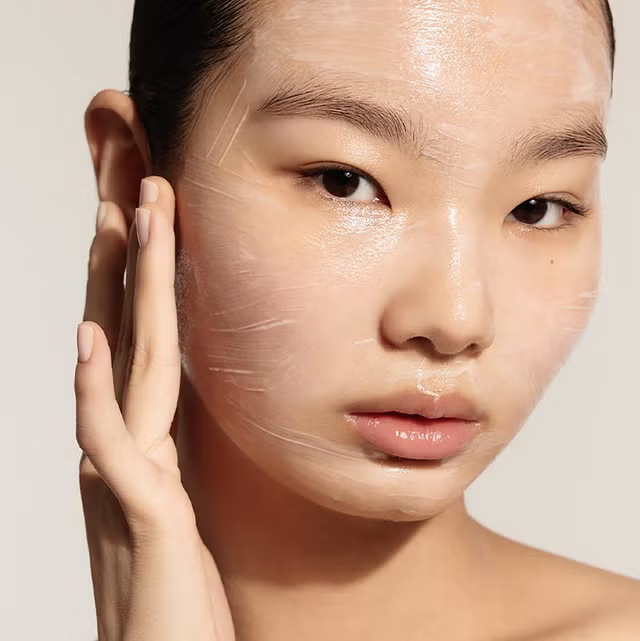
    Take a moderate amount of the mask and spread it evenly across your face and neck, avoiding direct contact with the eyes and lips unless the product specifically states otherwise. Allow the mask to absorb for a few minutes before going to bed. In the morning, rinse your face if required or simply continue with your normal cleansing routine. Applying the mask one to three times per week is generally sufficient, although some gentle formulas are designed for nightly use.

    Common Mistakes to Avoid

    While overnight masks are generally easy to use, several common mistakes can reduce their effectiveness. Applying too much product does not increase results and may leave a sticky feeling or transfer onto pillows. A thin, even layer is usually enough to deliver excellent benefits.

    Another common mistake is using an overnight mask on unclean skin. Dirt, makeup, and oil can block ingredient absorption and contribute to clogged pores. People sometimes combine too many active ingredients, such as retinol and strong acids, which may increase irritation. Ignoring patch testing is another avoidable mistake, especially for sensitive skin. Following product instructions carefully helps ensure your skin receives the maximum benefits without unnecessary discomfort.

    Can You Use an Overnight Face Mask Every Night?

    Whether you can use an overnight mask daily depends on its formulation and your skin type. Lightweight hydrating masks with gentle ingredients are often suitable for nightly use because they primarily replenish moisture without overwhelming the skin. Individuals with dry or dehydrated skin may especially benefit from more frequent application.

    However, masks containing exfoliating acids, retinol, or potent brightening ingredients should generally be used only once or twice each week unless directed otherwise. Overusing active ingredients can lead to irritation, dryness, and sensitivity. Listening to your skin’s response is essential. If redness or discomfort develops, reduce usage frequency and focus on restoring hydration until the skin feels balanced again.

    Why Overnight Skincare Delivers Better Results

    Nighttime is considered the most effective period for skin recovery because the body naturally shifts its energy toward repair and regeneration. Blood circulation to the skin increases during sleep, supporting collagen production and cellular renewal. Without exposure to ultraviolet rays, pollution, or makeup, skincare products can work without interruption.

    An overnight mask creates a protective layer that minimizes moisture evaporation while allowing active ingredients to remain in close contact with the skin. This prolonged exposure significantly improves hydration and ingredient absorption compared to products that are washed away quickly. Consistent nighttime care supports healthier skin over time, making overnight treatments an effective long-term investment in your skincare routine.

    Conclusion

    An Overnight Face Mask is one of the simplest yet most effective additions to a skincare routine. By working during the body’s natural repair cycle, it delivers deep hydration, strengthens the skin barrier, improves texture, and promotes a naturally radiant complexion. Whether your goal is smoother skin, better moisture retention, or visible rejuvenation, choosing the right overnight mask can help you achieve healthier-looking skin with minimal effort.

    Consistency is the key to long-term skincare success. Selecting products that suit your skin type, applying them correctly, and maintaining a balanced routine will produce the best results over time. With regular use, an Overnight Face Mask can become an essential step that helps you wake up every morning with refreshed, nourished, and glowing skin.

  • Peptide Skincare Benefits for Healthy, Firm and Youthful Skin Care

    Introduction

    Healthy skin is often the result of consistent care, balanced nutrition, and the use of effective skincare ingredients. Among the many ingredients gaining popularity in recent years, peptides have become a favorite among skincare experts and beauty enthusiasts alike. These tiny chains of amino acids work beneath the skin’s surface to support collagen production, improve elasticity, and promote a smoother complexion. Understanding Peptide Skincare Benefits can help anyone make informed decisions when choosing products for their daily skincare routine.

    Unlike harsh active ingredients that may cause irritation, peptides are generally gentle and suitable for most skin types. They are commonly found in serums, moisturizers, eye creams, and anti-aging treatments because of their ability to strengthen the skin barrier while encouraging natural repair processes. Whether you are beginning your skincare journey or looking to improve mature skin, learning about Peptide Skincare Benefits can help you achieve healthier, brighter, and more resilient skin over time.

    What Are Peptides in Skincare?

    Peptides are short chains of amino acids that serve as the building blocks of proteins such as collagen, elastin, and keratin. These proteins are essential for maintaining firm, smooth, and youthful-looking skin. As we age, the body’s natural production of collagen decreases, resulting in wrinkles, sagging, and reduced elasticity. Skincare products containing peptides are designed to send signals to the skin, encouraging it to produce more collagen and repair damaged tissue naturally.

    Unlike larger protein molecules that cannot penetrate the skin effectively, peptides are small enough to be absorbed into the upper layers of the skin. This allows them to deliver targeted support where it is needed most. Modern skincare brands often combine peptides with hydrating ingredients like hyaluronic acid, ceramides, and antioxidants to maximize effectiveness. Because they work gradually, consistent use is essential for noticeable improvements. Incorporating peptide-based products into your routine provides a science-backed approach to healthier, stronger skin without relying on aggressive treatments.

    How Peptides Improve Skin Health

    One of the greatest Peptide Skincare Benefits is their ability to support the skin’s natural repair system. Throughout daily life, environmental stressors such as sunlight, pollution, and changing weather conditions damage skin cells. Peptides help stimulate the production of structural proteins that repair this damage while strengthening the skin barrier against future harm.

    A stronger skin barrier means better moisture retention, fewer signs of irritation, and increased resistance to environmental pollutants. Well-hydrated skin appears softer, smoother, and more radiant. Peptides also help improve communication between skin cells, encouraging healthier cell renewal and balanced skin function. Over time, this process contributes to a more even skin tone and refined texture. Since peptides work in harmony with the skin rather than forcing rapid changes, they are ideal for individuals seeking gradual, natural-looking improvements without excessive sensitivity.

    Anti-Aging Advantages of Peptides

    One of the primary reasons people invest in peptide skincare products is their remarkable anti-aging potential. Fine lines, wrinkles, and skin laxity become more noticeable as collagen and elastin production slows with age. Peptides encourage the skin to rebuild these essential proteins, helping restore firmness and elasticity naturally.

    With regular use, peptide-rich serums and creams may reduce the appearance of crow’s feet, forehead lines, and smile lines. Skin often appears plumper because improved collagen levels provide better structural support beneath the surface. Some peptides also help relax facial muscle contractions that contribute to expression lines, creating a smoother appearance without invasive procedures. These improvements occur gradually, making results look natural rather than artificial. This is why dermatologists frequently recommend peptide formulations as part of long-term anti-aging skincare routines designed to preserve youthful skin health.

    Peptides and Skin Hydration

    Hydration is one of the most important foundations of beautiful skin. Dry skin often emphasizes wrinkles, rough texture, and uneven tone. Peptides contribute to healthy hydration by supporting the skin’s protective barrier, preventing excessive moisture loss throughout the day.

    Many peptide moisturizers include nourishing ingredients that work together to lock in hydration while reinforcing the skin’s natural defenses. As moisture levels improve, the skin becomes softer, more flexible, and less prone to irritation. Better hydration also creates a smoother surface that reflects light more evenly, producing a healthy glow. Individuals with dry, combination, or sensitive skin frequently notice improved comfort after introducing peptide products into their skincare routines. Consistent hydration supported by peptides allows the skin to maintain optimal function and recover more efficiently from daily environmental stress.

    Peptides for Sensitive and Damaged Skin

    People with sensitive skin often struggle to find effective ingredients that deliver visible improvements without causing redness or discomfort. Peptides are generally considered gentle because they support natural healing instead of aggressively exfoliating or resurfacing the skin. This makes them suitable for many individuals with delicate or reactive skin.

    One of the lesser-known Peptide Skincare Benefits is their ability to calm stressed skin while encouraging tissue repair. Minor irritation, weakened skin barriers, and redness may gradually improve as peptides strengthen the skin’s protective layer. They also help maintain healthy moisture levels, reducing dryness that often triggers sensitivity. Because peptides work well alongside soothing ingredients such as ceramides and niacinamide, they are frequently included in products designed for post-treatment recovery or compromised skin. Regular use promotes healthier skin that feels stronger and more resilient over time.

    How to Add Peptides to Your Daily Routine

    Introducing peptide skincare products into your routine is relatively simple. Most people begin with a peptide serum after cleansing and before applying moisturizer. This allows the concentrated ingredients to penetrate effectively before being sealed in with a nourishing cream. Morning and evening application often provides the best long-term results.

    Peptides also pair well with hydrating ingredients such as hyaluronic acid and ceramides. Many people successfully combine them with vitamin C during the day for antioxidant protection. Retinol users may also include peptides to support skin recovery and minimize irritation. However, consistency is more important than using numerous products. A basic routine featuring cleanser, peptide serum, moisturizer, and sunscreen during the day can produce noticeable improvements after several weeks of regular use. Patience is key, as collagen production naturally takes time to increase.

    Choosing the Right Peptide Skincare Products

    With countless skincare products available today, selecting quality peptide formulations can feel overwhelming. Reading ingredient labels carefully is an excellent starting point. Products listing peptides among the primary ingredients often deliver better results than those containing only minimal amounts. Packaging also matters, as air-tight containers help preserve ingredient stability.

    Creams are ideal for dry skin because they provide both peptides and lasting hydration. Lightweight serums work well for oily or combination skin, while eye creams specifically formulated with peptides target delicate areas prone to wrinkles. Choosing products from reputable skincare manufacturers with transparent ingredient information ensures better quality and reliability. Remember that skincare results depend on regular application over several months rather than expecting overnight transformations. Building a consistent routine allows peptides to perform their supportive role effectively.

    Common Myths About Peptide Skincare

    Despite growing popularity, several misconceptions still surround peptide skincare. One common myth is that peptides provide instant wrinkle removal. While they encourage collagen production, visible improvements require time and consistent use. Healthy skin develops gradually through ongoing care rather than immediate dramatic changes.

    Another misconception suggests peptides are only useful for mature skin. In reality, younger adults can benefit from peptides as a preventive measure by supporting collagen before significant aging occurs. Some also believe peptides cannot be combined with other active ingredients. In most cases, peptides work well alongside moisturizers, antioxidants, and barrier-supporting ingredients, making them highly versatile. Understanding realistic expectations helps users appreciate the long-term value peptides bring to comprehensive skincare routines focused on prevention and maintenance rather than quick fixes.

    Conclusion

    The growing popularity of peptide-based skincare reflects increasing awareness of ingredients that support the skin’s natural repair processes instead of masking problems temporarily. The numerous Peptide Skincare Benefits include improved collagen production, enhanced hydration, stronger skin barriers, smoother texture, and reduced visible signs of aging. These advantages make peptides an excellent addition to skincare routines for individuals of all ages and skin types.

    Although results develop gradually, consistent use delivers meaningful improvements that contribute to healthier, firmer, and more radiant skin over time. Combining peptide products with daily sun protection, gentle cleansing, balanced nutrition, and proper hydration creates a strong foundation for long-lasting skin health. Whether your goal is prevention, repair, or maintaining youthful skin, understanding and embracing Peptide Skincare Benefits can help you build an effective skincare routine that supports beautiful skin for years to come.

  • Clean Beauty Products Guide for Healthier and Safer Skincare Choices

    Introduction

    The beauty industry has changed dramatically over the past decade as consumers have become more aware of what goes into the products they use every day. Today, people are paying closer attention to ingredient labels, ethical sourcing, sustainability, and the overall impact of cosmetics on both their skin and the environment. This growing awareness has made Clean Beauty Products one of the most discussed topics in skincare and personal care. Rather than simply following trends, many individuals now prioritize products made with carefully selected ingredients that avoid harsh chemicals and unnecessary additives. Clean beauty focuses on creating formulas that are effective, gentle, and responsibly produced. Whether you have sensitive skin or simply want a healthier skincare routine, understanding clean beauty can help you make informed decisions. This guide explores what clean beauty means, its benefits, ingredients to look for, ingredients to avoid, and practical tips for building an effective routine that supports long-term skin health.

    What Are Clean Beauty Products?

    The term Clean Beauty Products refers to skincare, makeup, and personal care items formulated without ingredients that are widely considered potentially harmful or unnecessary. While there is no universal legal definition of clean beauty, many brands follow strict ingredient standards that exclude substances such as parabens, sulfates, formaldehyde-releasing preservatives, and certain synthetic fragrances.

    Clean beauty is not about making products completely chemical-free because every ingredient, including water, is technically a chemical. Instead, it focuses on using ingredients that are considered safe based on current scientific research while maintaining product performance and skin compatibility. Many clean beauty brands also emphasize cruelty-free testing, environmentally friendly packaging, and ethical ingredient sourcing. The goal is to provide products that support healthy skin while minimizing unnecessary exposure to controversial ingredients.

    Why Consumers Are Choosing Clean Beauty Products

    Consumers today are more informed than ever before. Social media, educational resources, and increased transparency from brands have encouraged shoppers to investigate what they apply to their skin. This has significantly increased interest in Clean Beauty Products across all age groups.

    People with sensitive skin often find that clean formulations contain fewer irritating ingredients, making them easier to tolerate. Others appreciate the environmentally responsible practices associated with many clean beauty brands, including recyclable packaging and sustainably sourced ingredients. Ethical considerations also play an important role, as many clean beauty companies avoid animal testing and support fair trade practices. Although individual product quality varies, the overall movement reflects a growing demand for safer, more transparent skincare options that align with healthier lifestyles and environmental responsibility.

    Key Ingredients Commonly Found in Clean Beauty

    One of the defining characteristics of clean beauty is the thoughtful selection of ingredients. Many products rely on plant-based extracts, vitamins, antioxidants, and nourishing oils that provide multiple skincare benefits without relying on harsh additives.

    Popular ingredients include aloe vera for soothing irritation, hyaluronic acid for deep hydration, niacinamide for improving skin texture, green tea extract for antioxidant protection, chamomile for calming redness, and vitamin C for brightening the complexion. Plant oils such as jojoba, argan, and rosehip help strengthen the skin barrier while maintaining moisture balance.

    These ingredients often work together to hydrate, protect, and repair the skin. However, natural ingredients can still cause allergies in some individuals, making patch testing an important step before introducing any new skincare product into your routine.

    Ingredients Many Clean Beauty Brands Avoid

    Many clean beauty companies exclude ingredients that some consumers prefer to avoid. Although scientific opinions may vary regarding certain ingredients, transparency remains a core principle of clean beauty.

    Commonly avoided ingredients include parabens, phthalates, sulfates, mineral oil, formaldehyde donors, certain synthetic dyes, and strong artificial fragrances. Some brands also eliminate drying alcohols and silicones depending on their formulation philosophy.

    It is important to understand that ingredient safety often depends on concentration and formulation. Not every ingredient labeled as “synthetic” is harmful, and not every natural ingredient is automatically safe. Reading ingredient lists and choosing reputable brands based on research is a more reliable approach than relying solely on marketing claims.

    Benefits of Using Clean Beauty Products

    Many people experience noticeable improvements after switching to Clean Beauty Products, especially if they previously used products containing harsh cleansing agents or irritating fragrances. Clean formulations often prioritize skin barrier protection, helping reduce dryness, redness, and sensitivity over time.

    Another advantage is increased ingredient transparency. Consumers can better understand what they are applying to their skin, allowing them to make choices that align with their personal values and skincare needs. Many clean beauty brands also invest in sustainable manufacturing practices, biodegradable ingredients, and recyclable packaging, reducing environmental impact.

    While results differ based on skin type and product selection, clean beauty encourages a mindful approach to skincare by focusing on quality ingredients, balanced formulations, and long-term skin health instead of quick fixes.

    How to Build a Clean Beauty Routine

    Creating a skincare routine with Clean Beauty Products does not require replacing every product at once. A gradual approach allows you to observe how your skin responds while avoiding unnecessary waste.

    Start with a gentle cleanser that removes dirt without stripping natural oils. Follow with a hydrating toner if needed, then apply a serum targeting your specific skin concerns, such as hydration, brightening, or fine lines. Moisturize with a nourishing cream that supports your skin barrier and finish with sunscreen every morning to protect against UV damage.

    Introduce only one new product at a time and use it consistently for several weeks before evaluating its effectiveness. Keeping your routine simple often produces better results than layering numerous products with overlapping active ingredients.

    Common Myths About Clean Beauty

    Several misconceptions surround clean beauty, making it important to separate facts from marketing claims. One common myth is that natural products are always safer than synthetic ones. In reality, both natural and synthetic ingredients can be either beneficial or irritating depending on their formulation.

    Another misconception is that clean beauty products are less effective. Advances in cosmetic science have allowed manufacturers to create highly effective formulas using carefully selected ingredients while avoiding unnecessary additives. Many clean products now deliver impressive hydration, brightening, anti-aging, and barrier-repair benefits.

    Some consumers also assume that clean beauty is always expensive. Although premium brands exist, many affordable companies now offer quality clean skincare options that fit various budgets.

    Tips for Choosing High-Quality Clean Beauty Products

    Shopping for clean beauty requires careful evaluation rather than relying solely on attractive packaging. Start by reading ingredient lists instead of focusing only on marketing labels. Look for brands that clearly explain their ingredient philosophy and manufacturing standards.

    Choose products that match your skin type and concerns rather than purchasing items simply because they are labeled clean. Consider fragrance-free options if you have sensitive skin, and always patch test new products before applying them to your entire face.

    Research brand transparency, customer reviews, and dermatologist recommendations whenever possible. Remember that consistency is more important than buying numerous products. A few well-formulated skincare essentials often deliver better results than an extensive routine filled with unnecessary products.

    The Future of Clean Beauty

    The clean beauty movement continues to evolve as scientific research and consumer expectations grow. Brands are investing in greener manufacturing processes, biodegradable packaging, responsibly sourced ingredients, and innovative formulations that maintain both safety and effectiveness.

    Consumers increasingly expect complete transparency regarding ingredient sourcing, testing methods, environmental impact, and ethical production. This demand is encouraging companies to improve product quality while reducing waste throughout the manufacturing process.

    As skincare technology advances, clean beauty is likely to become even more sophisticated, combining scientific innovation with responsible ingredient selection. This balance allows consumers to enjoy effective skincare while supporting healthier environmental practices and more sustainable beauty standards.

    Conclusion

    The popularity of Clean Beauty Products reflects a broader shift toward informed, responsible, and health-conscious skincare choices. Rather than focusing solely on marketing claims, clean beauty encourages consumers to understand ingredients, evaluate product quality, and build routines that support long-term skin health. Choosing products with transparent formulations, nourishing ingredients, and ethical manufacturing practices can benefit both your skin and the environment. Remember that every individual’s skin is unique, so selecting products based on your specific needs is more important than following trends. By making thoughtful decisions and maintaining a consistent skincare routine, you can enjoy healthier-looking skin while supporting a more sustainable and responsible beauty industry.

  • Glass Skin Routine for Healthy, Radiant and Naturally Glowing Skin

    Introduction

    The desire for smooth, luminous, and healthy-looking skin has inspired people around the world to embrace the Glass Skin Routine. This skincare approach focuses on achieving skin that looks crystal clear, deeply hydrated, and naturally radiant rather than relying on heavy makeup. Instead of chasing perfection, the goal is to create skin that reflects light because it is well-nourished, balanced, and cared for consistently.

    Unlike quick beauty trends, the Glass Skin Routine is built around long-term skincare habits. It emphasizes cleansing, hydration, gentle exfoliation, moisturizing, and sun protection. Every product serves a purpose in improving skin health while maintaining the skin’s natural barrier. Whether you have dry, oily, combination, or sensitive skin, this routine can be customized to suit your needs. Consistency, patience, and choosing products that match your skin type are the real secrets behind achieving glowing skin. With the right daily practices, anyone can enjoy smoother texture, reduced dullness, and a naturally youthful complexion.

    Understanding the Glass Skin Concept

    The concept of glass skin refers to skin that appears exceptionally clear, soft, hydrated, and almost reflective like a piece of polished glass. It is not about changing your natural complexion but enhancing your skin’s health so it looks vibrant from within. Healthy skin reflects light evenly because it has a smooth surface, adequate moisture, and minimal irritation.

    The Glass Skin Routine encourages gentle care instead of aggressive treatments. Over-exfoliating or using harsh products may temporarily brighten the skin but often weakens the skin barrier. A healthy barrier helps lock in moisture and protects against environmental damage, making it an essential part of long-term skincare. Rather than expecting overnight results, this method rewards consistent care with gradual improvements. As hydration levels increase and the skin barrier strengthens, fine lines appear softer, rough patches diminish, and the complexion becomes naturally luminous.

    Why Hydration Is the Foundation

    Hydration is the heart of every effective skincare routine because well-hydrated skin looks plumper, smoother, and healthier. Water alone cannot provide lasting hydration, which is why moisturizers and hydrating serums are essential. Ingredients that attract and retain moisture help keep the skin comfortable throughout the day.

    During a Glass Skin Routine, multiple lightweight hydrating layers often perform better than one heavy cream. This layering technique allows moisture to penetrate gradually while preventing clogged pores. Hydrated skin also absorbs skincare products more efficiently, maximizing their benefits. Drinking sufficient water, eating water-rich fruits and vegetables, and avoiding excessive alcohol consumption further support skin hydration from within. When internal wellness combines with external skincare, the skin naturally develops a fresh, glowing appearance that lasts longer than cosmetic solutions.

    Step One: Gentle Cleansing

    Cleansing removes dirt, oil, sweat, sunscreen, and environmental pollutants that accumulate throughout the day. Starting with clean skin ensures that every product applied afterward works more effectively. However, cleansing should never leave the skin feeling tight or stripped.

    A gentle cleanser that matches your skin type is the best choice. Cream cleansers work well for dry skin, while gel cleansers suit oily or combination skin. If you wear makeup or sunscreen daily, double cleansing can help remove residue without excessive rubbing. Massage the cleanser gently using circular motions before rinsing with lukewarm water. Extremely hot water may remove natural oils, causing dryness and irritation. Clean skin provides the ideal foundation for hydration and nourishment while maintaining the skin’s protective barrier.

    Step Two: Exfoliation for Smooth Texture

    Exfoliation removes dead skin cells that can make the complexion appear dull and uneven. By revealing fresher skin underneath, exfoliation contributes to a brighter and smoother appearance. However, moderation is essential because excessive exfoliation may lead to redness, sensitivity, and breakouts.

    Most people benefit from exfoliating one to three times per week depending on their skin type. Chemical exfoliants containing gentle acids often provide more even results than rough physical scrubs. Regular exfoliation allows moisturizers and serums to absorb more effectively while encouraging healthy skin renewal. A balanced approach keeps pores clearer and improves overall skin texture without compromising the protective skin barrier.

    Step Three: Layering Hydrating Products

    Hydrating toners, essences, and serums provide lightweight moisture that supports healthy skin function. Instead of relying on a single heavy moisturizer, applying several thin layers creates deep hydration while maintaining comfort throughout the day.

    Look for ingredients known for their hydrating properties, such as hyaluronic acid, glycerin, panthenol, and soothing botanical extracts. These ingredients attract moisture and help maintain skin elasticity. Applying products while the skin remains slightly damp further improves absorption. Gentle pressing motions rather than rubbing reduce irritation and help products settle evenly. Consistent hydration improves skin texture over time, creating a naturally radiant complexion that appears healthy from every angle.

    Step Four: Moisturizing and Protecting the Skin Barrier

    Moisturizer locks hydration into the skin while strengthening the natural barrier against moisture loss and environmental stress. Every skin type benefits from moisturizing, even oily skin. Lightweight gel moisturizers suit oily complexions, while richer creams provide additional nourishment for dry skin.

    The Glass Skin Routine focuses on preserving the skin barrier rather than overwhelming it with numerous active ingredients. A healthy barrier reduces redness, irritation, and sensitivity while helping the skin retain hydration more effectively. Consistent moisturizing also softens rough patches and improves skin elasticity. Choosing fragrance-free or gentle formulations may further minimize irritation, especially for sensitive skin. Well-moisturized skin feels comfortable throughout the day and develops a naturally smooth appearance.

    Step Five: Daily Sun Protection

    Sun protection is often considered the most important skincare step because ultraviolet rays accelerate premature aging, uneven pigmentation, and collagen breakdown. Even the most advanced skincare products cannot fully compensate for unprotected sun exposure.

    Applying broad-spectrum sunscreen every morning helps preserve your skincare progress while protecting against long-term damage. Reapplication becomes especially important during outdoor activities or extended sun exposure. Wearing protective clothing, sunglasses, and wide-brimmed hats provides additional defense. Daily sun protection supports an even skin tone and helps maintain the youthful glow achieved through consistent skincare. Protecting your skin today significantly improves its appearance in the future.

    Lifestyle Habits That Support Healthy Skin

    Beautiful skin reflects overall health. Balanced nutrition, quality sleep, regular exercise, and stress management all influence the skin’s condition. Nutrient-rich foods containing vitamins, antioxidants, healthy fats, and proteins help repair skin tissue and support collagen production.

    Adequate sleep allows the body to regenerate and repair damaged cells, reducing dullness and improving skin resilience. Exercise improves circulation, delivering oxygen and nutrients to skin cells while promoting a healthy glow. Managing stress through meditation, yoga, or relaxation techniques may reduce inflammation-related skin concerns. Limiting smoking and excessive alcohol further protects skin health. These healthy habits complement skincare products and create lasting improvements that cannot be achieved through topical treatments alone.

    Common Mistakes to Avoid

    Many people become impatient and introduce too many products simultaneously. This often overwhelms the skin, causing irritation instead of improvement. Simplicity and consistency usually produce better long-term results than complicated routines.

    Skipping moisturizer because of oily skin, neglecting sunscreen on cloudy days, or over-exfoliating are common mistakes that weaken the skin barrier. Constantly changing products also prevents you from understanding what truly benefits your skin. Introducing one new product at a time allows you to monitor results while minimizing adverse reactions. Listening to your skin’s changing needs throughout different seasons also helps maintain balance and comfort year-round.

    Building a Routine That Fits Your Skin

    No skincare routine should be identical for everyone because each person’s skin has unique needs. Understanding whether your skin is dry, oily, combination, sensitive, or normal helps you choose products that provide the greatest benefits.

    Morning routines generally focus on cleansing, hydration, moisturizing, and sunscreen, while evening routines prioritize cleansing, treatment products, and overnight hydration. Seasonal adjustments may also be necessary, with richer moisturizers during colder months and lighter formulations during warmer weather. Personalizing your skincare routine ensures sustainable results without unnecessary complexity. A thoughtful approach allows healthy habits to become part of everyday life while supporting consistently radiant skin.

    Conclusion

    Achieving luminous, healthy skin is less about perfection and more about consistent care. The Glass Skin Routine encourages gentle cleansing, regular hydration, balanced exfoliation, effective moisturizing, and reliable sun protection to support long-term skin health. Instead of relying on temporary beauty trends, this approach focuses on strengthening the skin from within so it naturally appears smooth, hydrated, and radiant.

    Patience remains one of the most valuable ingredients in any skincare journey. Results develop gradually as healthy habits become part of your daily routine. By choosing products suited to your skin type, maintaining hydration, protecting your skin from sun damage, and supporting overall wellness through a healthy lifestyle, you can enjoy lasting improvements in your complexion. A consistent skincare routine ultimately delivers confidence, comfort, and naturally glowing skin that reflects true health.