Introduction
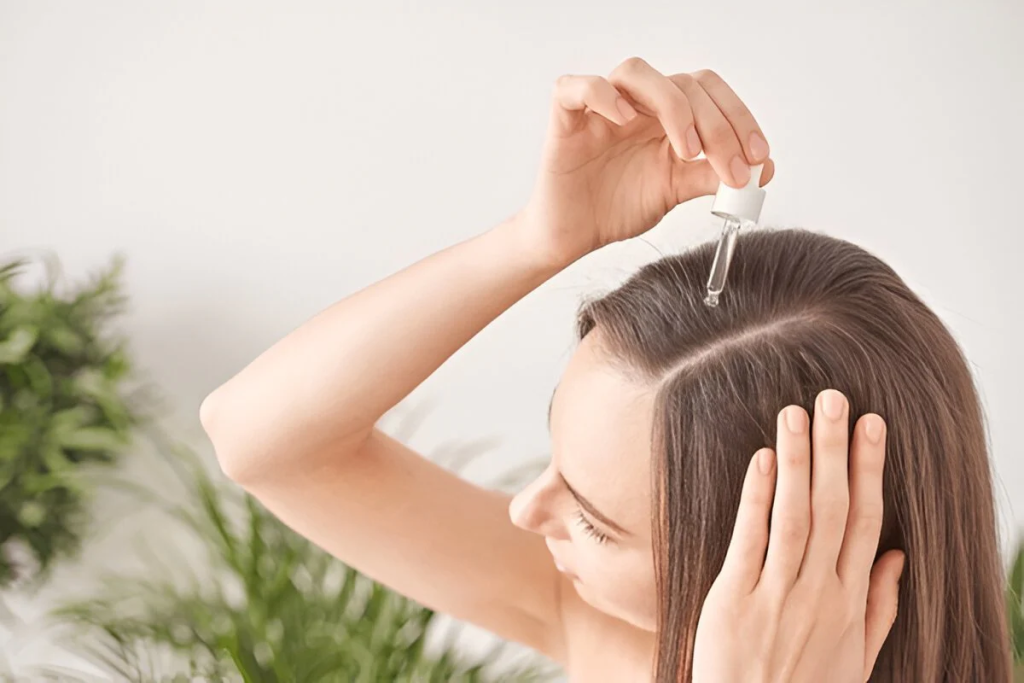
Healthy, beautiful hair begins beneath the surface—with a well-nourished scalp. Many people invest in expensive shampoos, conditioners, and styling products without realizing that the condition of their scalp plays the biggest role in hair growth and overall hair health. Scalp Care for Healthy Hair is not just another beauty trend; it is an essential part of every hair care routine. A clean, balanced scalp creates the ideal environment for strong hair follicles, reducing issues such as dandruff, excessive oiliness, dryness, and hair fall.
Just like healthy soil helps plants thrive, a healthy scalp provides the nutrients and support hair needs to grow thicker and stronger. Environmental pollution, stress, poor nutrition, and excessive heat styling can all affect scalp health over time. By understanding the importance of proper scalp care and following a consistent routine, anyone can improve the appearance and strength of their hair. This guide explores practical methods, daily habits, and effective treatments that help maintain a healthy scalp while promoting naturally beautiful hair.
Why Scalp Health Matters
The scalp contains thousands of hair follicles responsible for producing new strands of hair throughout your life. Each follicle relies on proper blood circulation, balanced oil production, and adequate nutrients to function efficiently. When the scalp becomes unhealthy, hair growth may slow, strands become weaker, and common problems like itching, flaking, and hair thinning can develop.
A balanced scalp microbiome also plays a significant role in protecting against bacteria and fungal overgrowth. Excessive product buildup or poor hygiene may disrupt this balance, causing irritation and inflammation. Regular cleansing and moisturizing help restore harmony while allowing follicles to remain active. Practicing Scalp Care for Healthy Hair ensures that follicles remain unclogged and healthy, creating the best possible foundation for stronger, shinier, and more resilient hair over time.
Common Scalp Problems That Affect Hair
Many hair concerns actually begin at the scalp rather than the hair strands themselves. Dandruff is one of the most common conditions, often caused by excess oil, yeast growth, or dry skin. Persistent itching may result from product allergies, sensitivity, or inadequate cleansing. On the other hand, an overly dry scalp can lead to tightness, irritation, and visible flakes.
Excess oil production may clog follicles, while environmental pollutants can accumulate on the scalp and interfere with healthy hair growth. Stress and hormonal changes may also contribute to increased shedding and scalp inflammation. Recognizing these issues early allows individuals to adjust their routines before more significant hair loss occurs. Addressing scalp concerns promptly helps maintain stronger follicles and healthier strands from root to tip.
Daily Routine for a Healthy Scalp
Creating a consistent daily routine is one of the most effective ways to maintain scalp health. Begin by choosing a shampoo suitable for your scalp type rather than simply your hair type. Individuals with oily scalps may require more frequent cleansing, while those with dry scalps should opt for moisturizing formulas that preserve natural oils.
Avoid washing with extremely hot water, as it can strip away protective oils and irritate sensitive skin. Gentle massage during shampooing helps stimulate circulation without causing damage. Thorough rinsing is equally important to remove residue that may clog follicles. Applying lightweight scalp-friendly products instead of heavy styling creams further supports long-term scalp health.
Maintaining regular hygiene without overwashing keeps the scalp balanced and comfortable. A simple yet consistent routine often delivers better long-term results than constantly changing products.
Best Ingredients That Support Scalp Health
Nature and science both offer ingredients that contribute to healthier scalps. Tea tree oil is widely recognized for its cleansing and soothing properties, making it beneficial for dandruff-prone scalps. Aloe vera helps calm irritation while providing lightweight hydration to dry skin.
Niacinamide supports the scalp’s protective barrier and may reduce inflammation. Salicylic acid gently exfoliates dead skin cells and helps remove excess oil buildup. Peppermint oil creates a refreshing sensation while encouraging improved blood circulation.
Natural oils such as jojoba and argan closely resemble the scalp’s own oils, making them suitable for maintaining moisture without excessive greasiness. Selecting products containing these beneficial ingredients can significantly improve overall scalp condition while encouraging stronger hair growth.
The Role of Nutrition in Scalp Health
Healthy hair begins from within. A nutrient-rich diet provides the vitamins and minerals necessary for maintaining healthy follicles and skin. Protein is especially important because hair is primarily composed of keratin, a structural protein that relies on adequate dietary intake.
Iron supports oxygen delivery to hair follicles, while zinc contributes to tissue repair and healthy oil gland function. Omega-3 fatty acids help maintain hydration and reduce inflammation. Vitamins A, C, D, E, and biotin also support healthy scalp function and hair growth.
Drinking enough water throughout the day helps prevent dryness and supports skin elasticity. Consuming colorful fruits, vegetables, whole grains, lean proteins, and healthy fats creates a balanced nutritional foundation for optimal scalp and hair health.
Scalp Massage and Its Benefits
Scalp massage has become increasingly popular because of its relaxing effects and potential benefits for hair growth. Gentle massage stimulates blood circulation, delivering oxygen and nutrients to hair follicles more efficiently. Improved circulation may encourage healthier follicle activity over time.
Using fingertips instead of fingernails prevents scratching or irritation. A massage lasting five to ten minutes several times each week can help reduce tension while promoting relaxation. Some individuals combine massage with lightweight natural oils for added hydration and nourishment.
Regular massage also helps distribute natural oils evenly across the scalp, preventing localized dryness while maintaining overall balance. As part of Scalp Care for Healthy Hair, this simple habit supports stronger roots and healthier-looking hair.
Lifestyle Habits That Improve Hair and Scalp Health
Daily habits significantly influence scalp condition. Chronic stress may trigger excessive shedding and interfere with normal hair growth cycles. Practicing stress management techniques such as meditation, exercise, or adequate sleep supports healthier hair over time.
Avoid smoking whenever possible, as reduced blood circulation can negatively impact hair follicles. Limit excessive heat styling, chemical treatments, and tight hairstyles that create tension on the scalp. Clean hair accessories regularly to minimize bacteria and product buildup.
Protect the scalp from prolonged sun exposure by wearing hats or using protective hairstyles during outdoor activities. These simple lifestyle adjustments work together to preserve scalp balance and improve long-term hair quality naturally.
Mistakes to Avoid During Scalp Care
Many common habits unintentionally damage the scalp. Overwashing may remove protective oils, leaving the scalp dry and irritated. Conversely, washing too infrequently allows oil, sweat, and product residue to accumulate.
Using excessive amounts of dry shampoo without proper cleansing can clog follicles over time. Aggressive scratching, especially during itching episodes, may injure the scalp and increase inflammation. Applying harsh chemicals too frequently weakens both the scalp barrier and hair shafts.
Ignoring persistent symptoms such as severe itching, redness, or excessive hair loss may allow underlying conditions to worsen. Following gentle, balanced routines produces healthier long-term results than relying on harsh treatments or excessive product use.
Conclusion
Maintaining healthy hair starts with caring for the scalp every day. While shampoos and styling products can improve appearance temporarily, long-lasting hair health depends on creating the right environment for hair follicles to thrive. Scalp Care for Healthy Hair involves consistent cleansing, proper nutrition, hydration, gentle massage, and mindful lifestyle habits that support scalp balance.
Whether your goal is reducing dandruff, preventing hair thinning, or simply achieving shinier hair, prioritizing scalp health is the most effective place to begin. Small daily improvements often lead to noticeable long-term results. By making scalp care an essential part of your self-care routine, you can enjoy stronger roots, healthier growth, and naturally beautiful hair for years to come.
Leave a Reply